Why Your Toilet Keeps Running
Three faults explain why a toilet keeps running: the inlet valve will not close, the flush valve seal leaks, or the fill level sits above the overflow. The build waves that shaped McDowall ran from the 1960s through to the 2000s, so the cisterns on our regular run span every generation of hardware. Most fixes are quick for a licensed plumber, and two parts are even open to you.
If we're late, $100 comes off your bill

- Licensed and InsuredEvery job done by a licensed plumber. QBCC No: 15024607
- Fixed Quote FirstFlat-rate pricing, agreed before any work starts
- Lifetime Labour WarrantyBacked by our Fix-It-or-It's-Free guarantee (T&Cs apply)
- $0 Call-Out FeesNo extra charge for nights, weekends or public holidays
Why the Cistern Never Stops Filling
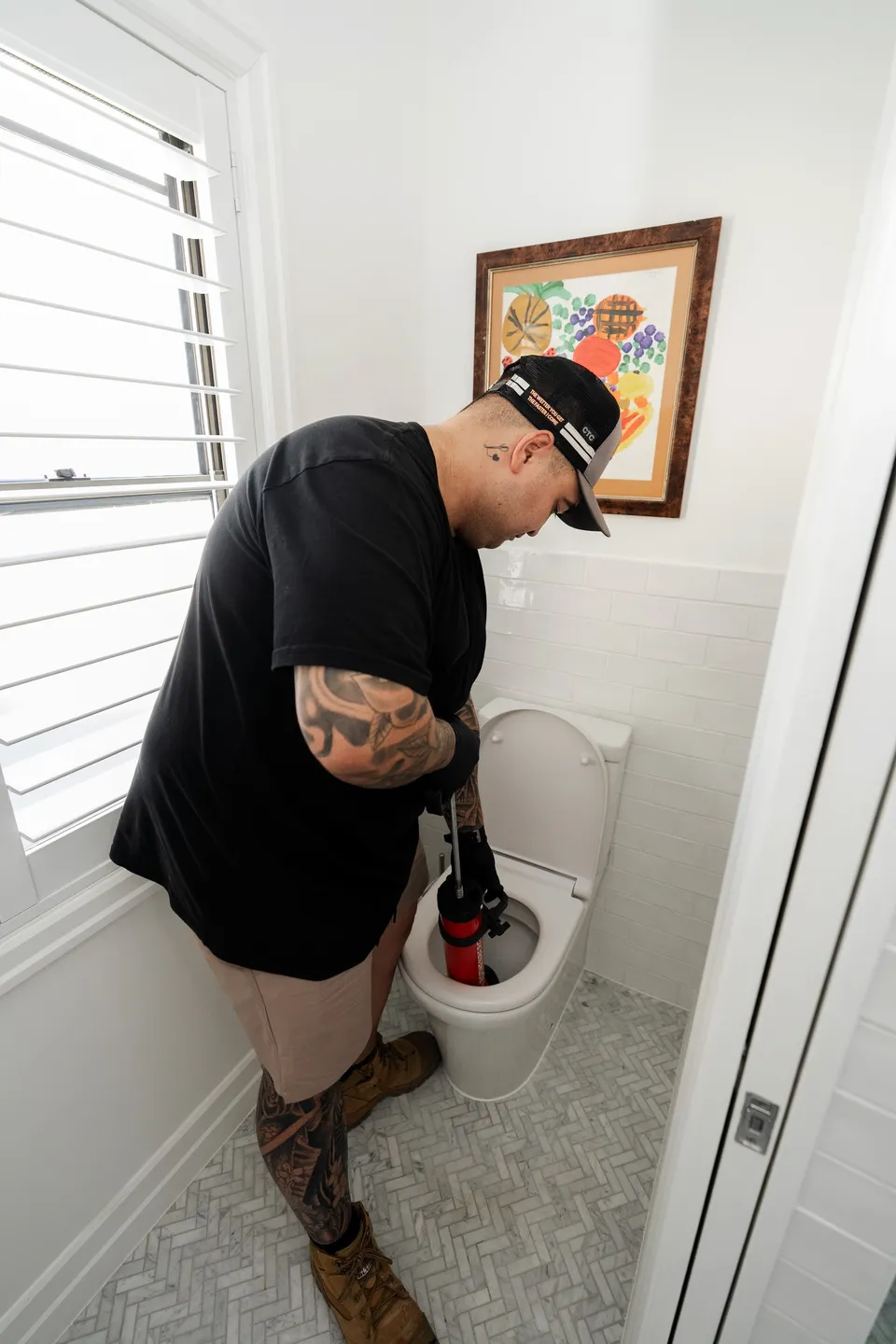
Three faults sit behind a cistern that never settles: an inlet valve that will not shut, a leaking flush valve seal, or water rising past its mark and escaping via the overflow. Each one announces itself differently.
A hiss or trickle carrying on after the refill
points to the inlet valve.
A cistern quietly topping up between flushes, or water creeping down the pan's rear wall,
points to the seal.
Water escaping via the overflow, sometimes as a drip from an outside pipe,
points to a fill level set too high.
The inlet valve refills the cistern after a flush and stops once the float reaches the set level. A valve worn or clogged fills slowly or never stops.
The flush valve, also called the outlet valve, holds the water between flushes. The overflow is the escape route that keeps a stuck valve from spilling onto your floor.
The Dye Test for a Leaking Cistern
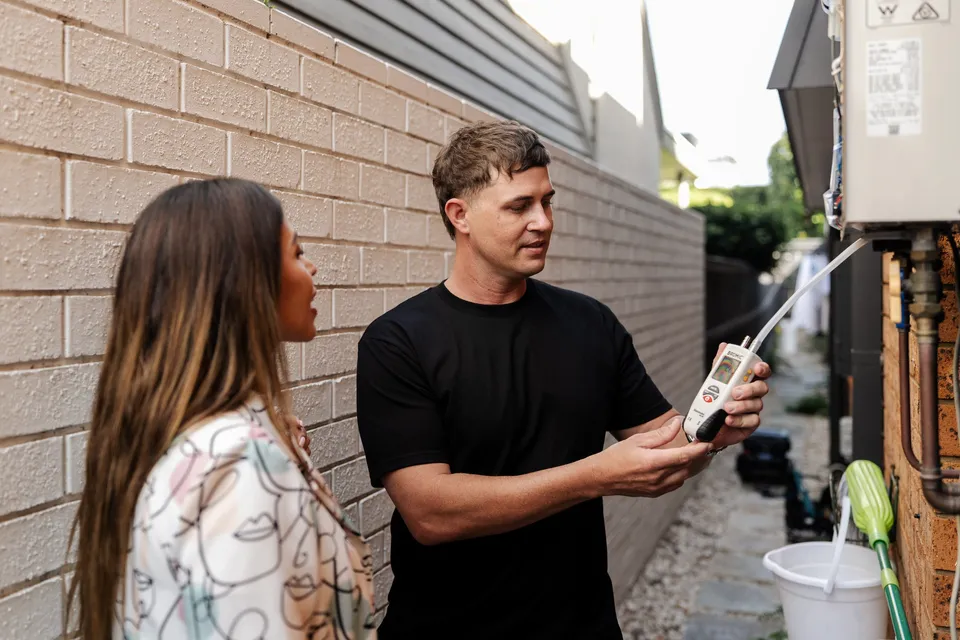
Run the test this way: drip a little food colouring into the cistern, leave everything without flushing, and give the colour time to work before checking the bowl. Colour turning up in the bowl means cistern water is finding its way into the pan, which points to the seal.
Two follow-up details matter:
- Flush afterwards, because the colouring leaves no stain on a ceramic bowl.
- A bowl that stays clear tells you the seal is holding, so the inlet valve and the fill level become the next checks.
No food colouring at hand? Rest a dry sheet of toilet paper high on the inner wall of the bowl, clear of the water. A leak will wet the paper, and paper that stays dry points away from the seal.

When the Cistern Will Not Fill
A cistern that stays low usually points to an inlet valve clogged with debris, a float sitting well below the mark, or a supply tap that is only partly open. Check the supply tap first, because a tap left half closed starves the whole fill.
Water flowing without the level rising suggests the opposite end of the cistern. The seal may be letting water out as fast as it arrives, so no amount of inlet flow ever catches up.
The QBCC List of Unregulated Cistern Work
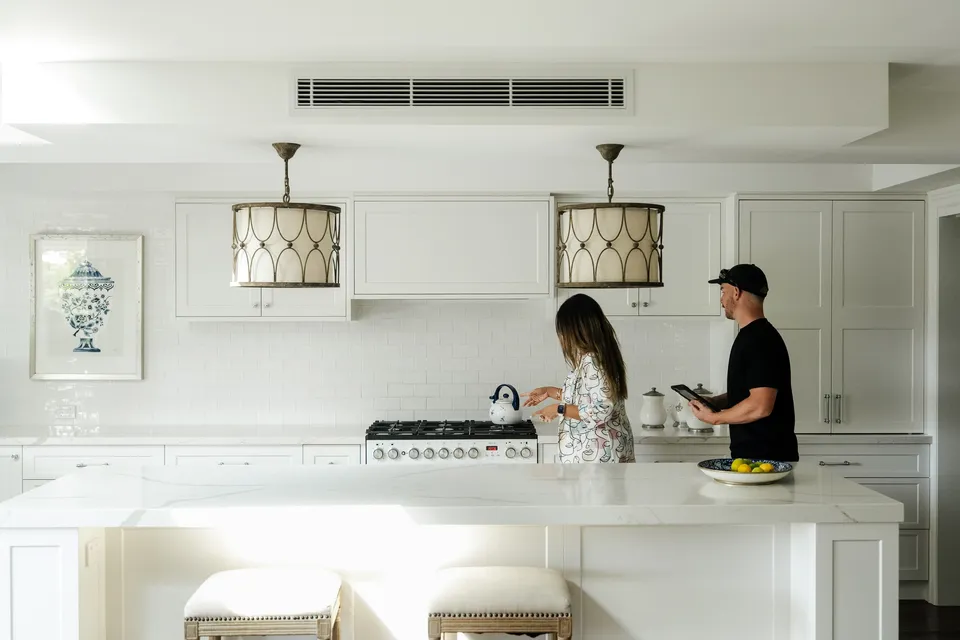
The QBCC treats three cistern parts as work anyone may do, provided they hold the appropriate knowledge and level of skill: the drop valve washer, the float valve washer, plus the suction cup rubber. No licence, approval or report is needed, though the finished job still has to meet the standards the legislation and codes set.
Everything past that short list is minor work, so a QBCC licensee handles the job. A permit is not needed and neither is a Form 4.
Queensland tenancy law adds two duties for rentals. The Residential Tenancies Act requires the owner or manager to keep the place fit for use, and the tenant to report faults as soon as they notice them. The Act's emergency list includes a toilet that blocks or breaks, but not one that keeps running, so the repair counts as routine and happens within a reasonable time.

What a Running Cistern Does to Your Water Bill
No, because Urban Utilities excludes leaking cisterns from its concealed leak adjustment, along with dripping taps and water appliance losses. The property owner answers for leaks and the water they waste, so the loss stays on your account until the cistern is fixed.
At the last census, 87.7 per cent of the suburb's homes were separate houses, and each of those households pays for its own water. A fault this visible is worth ending quickly.
When to Call a Plumber
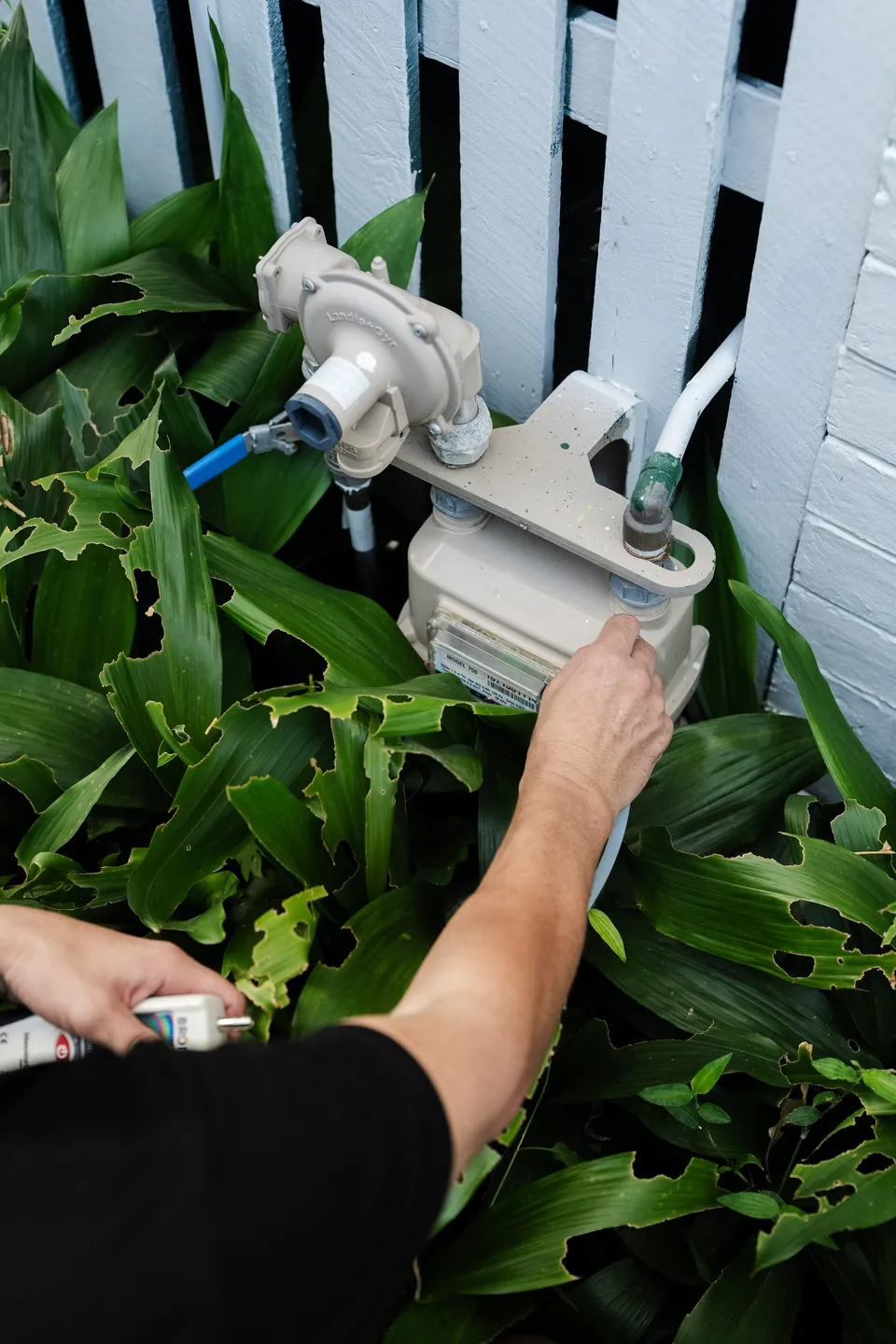
Call us when colour shows up in the bowl, when the fill goes quiet, or when the fault sits outside the QBCC's short list. Census figures put the suburb at 2,636 dwellings, most of them detached family homes, and a good share still run cisterns installed decades ago. Our toilet repairs in McDowall page covers the wider work, from base leaks to full suite swaps.
Toilet Questions McDowall Locals Ask
Call (07) 3523 7121Why does my toilet keep running after I flush?
Because the cistern keeps losing water and then refills to match. Either the inlet valve will not shut, a worn flush valve seal lets water slip into the pan, or the level sits high enough to run out the overflow. A hiss points to the valve, and quiet topping up points to the seal.
Why won't my McDowall toilet cistern fill up?
Usually a worn or blocked inlet valve, a float set too low, or a supply tap that never got opened all the way. If water runs while the level never rises, the seal is likely letting water out of the cistern as fast as it arrives.
Will food colouring stain my toilet bowl?
No, food colouring will not mark a ceramic bowl, and one flush clears it afterwards. Urban Utilities suggests the same test, so run it without worry on any standard pan in McDowall.
Can I fix a running toilet myself in McDowall?
Only three parts: the drop valve washer, the float valve washer and the suction cup rubber. The QBCC treats those as unregulated work, provided you have the knowledge and skill, and the finished job still has to meet the standards. Everything else on a toilet is minor work for a licensed plumber.

Ring Us About That Running LooWe'll call you back.
Book on (07) 3523 7121 for plumbing anywhere in McDowall. We're available 24/7, there's no extra charge for nights, weekends or public holidays, and every job comes with $0 call-out fees.
To claim your $0 call-out fee, call (07) 3523 7121 today.